3 min read

Lockbox vs. Electronic Lockbox: What’s the Difference?

Lockbox vs. Electronic Lockbox: What’s the Difference?
6:57

Businesses today have more ways than ever to receive payments. Customers can mail checks, initiate payments through their bank's online banking bill pay service, or pay through ACH, debit card, or credit card. While digital payments continue to grow, paper checks remain an important part of the payment mix for many industries. That means organizations often find themselves managing both paper and digital payment channels at the same time.

Traditional lockbox and electronic lockbox serve different purposes within a modern receivables strategy. Understanding how these two payment capabilities work together can help organizations improve payment visibility, simplify processing, and make it easier for customers to pay using the method they prefer.

What Is Lockbox?

Lockbox is a payment processing service that helps organizations efficiently receive and process mailed check payments.

Instead of having checks delivered to an office or mailroom, payments are sent to a dedicated lockbox address. From there, they are collected, opened, scanned, processed, deposited, and reported through a structured workflow.

Lockbox is especially valuable for organizations that receive a high volume of paper checks or need more structured processing of payments and remittance information, such as utilities, healthcare providers, insurance companies, municipalities, property management companies, and financial institutions serving commercial clients.

By centralizing payment processing, lockbox can help reduce manual handling, accelerate deposits, and improve visibility into incoming payments.

What Is Electronic Lockbox?

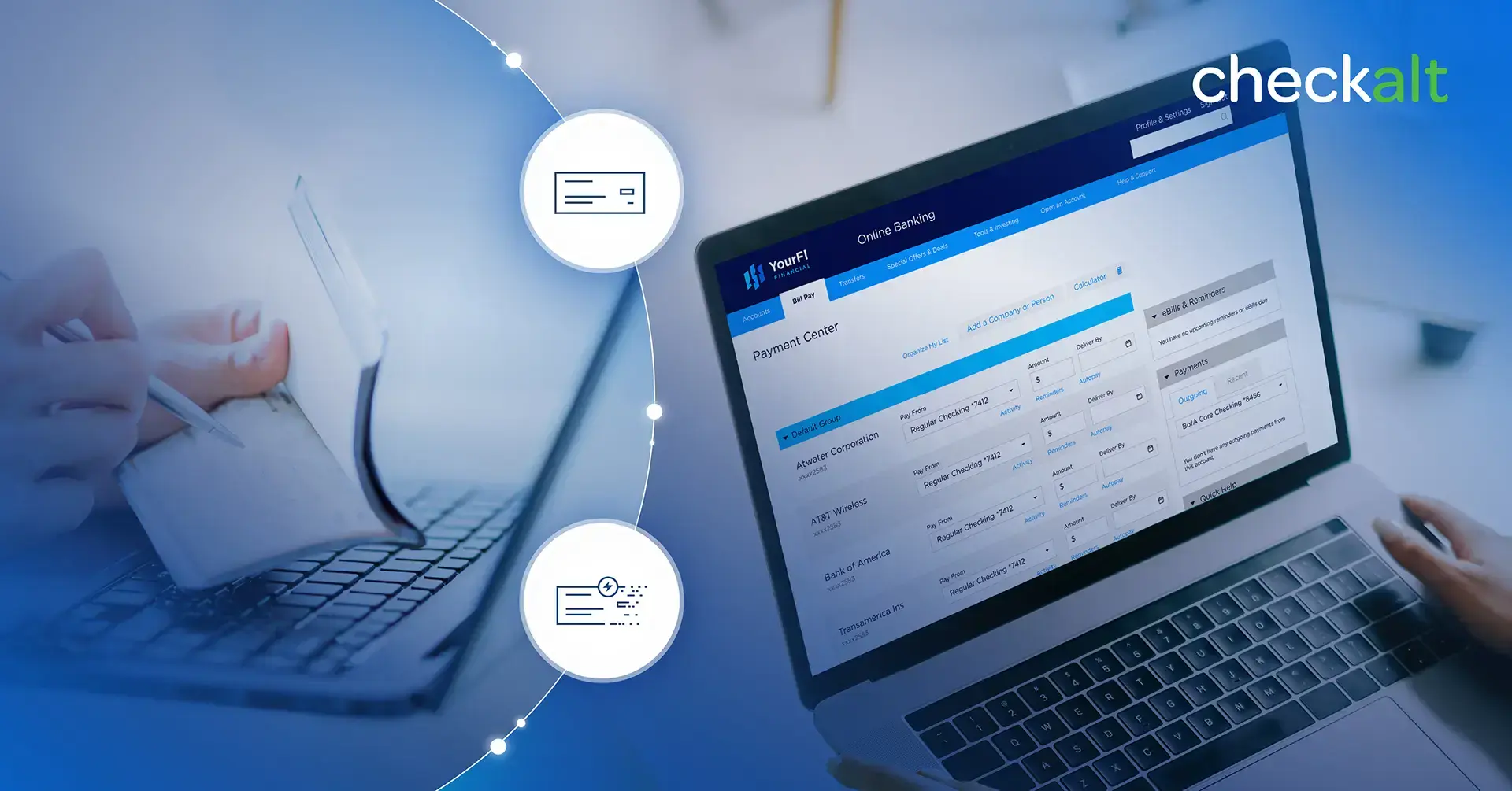
Electronic lockbox addresses a different type of payment. When consumers use their financial institution's online banking bill pay service, those payments do not always reach the business electronically. If the business receiving the payment is not properly enrolled in a biller network or cannot be matched in the biller directory, the payment may be converted into a paper check and mailed.

Electronic lockbox helps reduce those conversions. By supporting biller enrollment and directory maintenance, eligible payments can remain electronic from the time they are initiated until they are received.

For businesses that receive a significant number of online banking bill pay payments, electronic lockbox can reduce manual processing, support more predictable cash flow, and simplify reconciliation.

Lockbox vs. Electronic Lockbox: What's the Difference?

Although they share similar names, lockbox and electronic lockbox solve different payment challenges.

  • Lockbox is designed to process physical check payments that arrive through the mail.
  • Electronic lockbox is designed to keep eligible online banking bill pay payments electronic instead of allowing them to become paper checks.

Together, they support different ways customers choose to pay.

  Lockbox Electronic Lockbox
Primary purpose Processes mailed checks and accompanying remittance information Helps keep eligible online banking bill pay payments electronic
How payments are routed Mail is sent to a dedicated lockbox address for processing Payments are routed electronically when the biller can be matched and reached through the appropriate network
Processing method Check and remittance information is captured and processed for deposit Eligible payments are settled electronically with accompanying remittance data
Best suited for Organizations that receive high volumes of mailed checks and need centralized processing Organizations that receive online banking bill pay payments that may otherwise become paper checks

For example, a utility may receive mailed customer checks through lockbox while electronic lockbox keeps eligible online banking bill pay payments electronic. Each addresses a different payment path, but both can be managed as part of the same receivables strategy.

Why Organizations May Benefit from Both

Customer payment preferences rarely fit into a single category. Some customers still prefer to write checks. Others use their bank's online bill pay service. Many organizations receive both every day.

For financial institutions, supporting both capabilities can help commercial clients manage paper and electronic receivables as part of a more connected treasury experience.

Trying to force customers toward one payment method often creates unnecessary friction, especially for organizations managing recurring payments. Supporting multiple payment channels allows organizations to meet customers where they are while maintaining efficient receivables operations.

How Integrated Receivables Brings Everything Together

Together, lockbox and electronic lockbox provide a more comprehensive approach to lockbox processing. Managing additional payment channels can become difficult when each one operates independently. For example, checks may be processed through one system, online banking bill pay payments through another, and ACH or card payments somewhere else. That fragmentation can make reporting, reconciliation, and exception handling more time consuming.

An integrated receivables approach helps bring those payment channels together into a more connected workflow. Instead of managing separate processes, organizations gain a more complete view of incoming payments regardless of how customers choose to pay. That can make it easier to reconcile transactions, resolve exceptions, and monitor daily payment activity.

Building a More Connected Receivables Strategy

Modernizing receivables doesn't require replacing paper payments with electronic ones overnight. It's about supporting the payment methods customers use today while building more connected processes behind the scenes.

Lockbox continues to provide an efficient way to process mailed check payments, and electronic lockbox helps keep eligible online banking bill pay payments electronic. When these capabilities are managed through a connected receivables experience, financial institutions and their clients can improve visibility, streamline processing, and adapt as payment behaviors evolve.

Bring Paper and Electronic Receivables Together

CheckAlt's comprehensive lockbox approach helps financial institutions and their commercial clients efficiently manage both mailed checks and eligible online banking bill pay payments.

In fact, we've seen this approach convert 20–30% of check payments to electronic transactions—reducing payment acceptance costs by 60% and accelerating funding by four to five days.

Looking for a more comprehensive way to manage paper and electronic receivables? Explore our Lockbox and Electronic Lockbox capabilities, or contact CheckAlt to learn how a comprehensive lockbox approach can support your receivables strategy.

Lockbox vs. Electronic Lockbox: What’s the Difference?

Lockbox vs. Electronic Lockbox: What’s the Difference?

Businesses today have more ways than ever to receive payments. Customers can mail checks, initiate payments through their bank's online banking bill...

Read More
Electronic Lockbox Explained: Keeping Online Banking Bill Pay Payments Electronic

Electronic Lockbox Explained: Keeping Online Banking Bill Pay Payments Electronic

When a consumer uses their bank or credit union's online banking bill pay service, the experience feels entirely electronic. They log in, search for...

Read More
What's the Difference Between Retail Lockbox and Wholesale Lockbox?

What's the Difference Between Retail Lockbox and Wholesale Lockbox?

Lockbox services have been a cornerstone of receivables processing for decades, helping organizations streamline the collection and processing of...

Read More